Careful hands first. Cover for the rare bad day.
The best protection for your things is a move done properly: good packing, careful loading and a truck that is packed tight and closed. That is our everyday job, and it is what keeps most moves free of trouble. But roads in India can be unpredictable, from a sudden pothole to a heavy monsoon spell, so we also help you understand and choose transit insurance.
This page explains, in plain words, how we keep your goods safe, what the different kinds of cover mean, how to declare the value of your things, and what to do if you ever need to raise a claim.
- Photos taken, item list signed
- Packed, loaded and strapped in
- Closed truck, on the road
- Delivered, checked and signed
How we keep your things safe
Insurance helps after something goes wrong. Our real job is to make sure nothing goes wrong in the first place. These are the habits our team follows on every move, whether it is a single room across town or a full house going from one state to another.
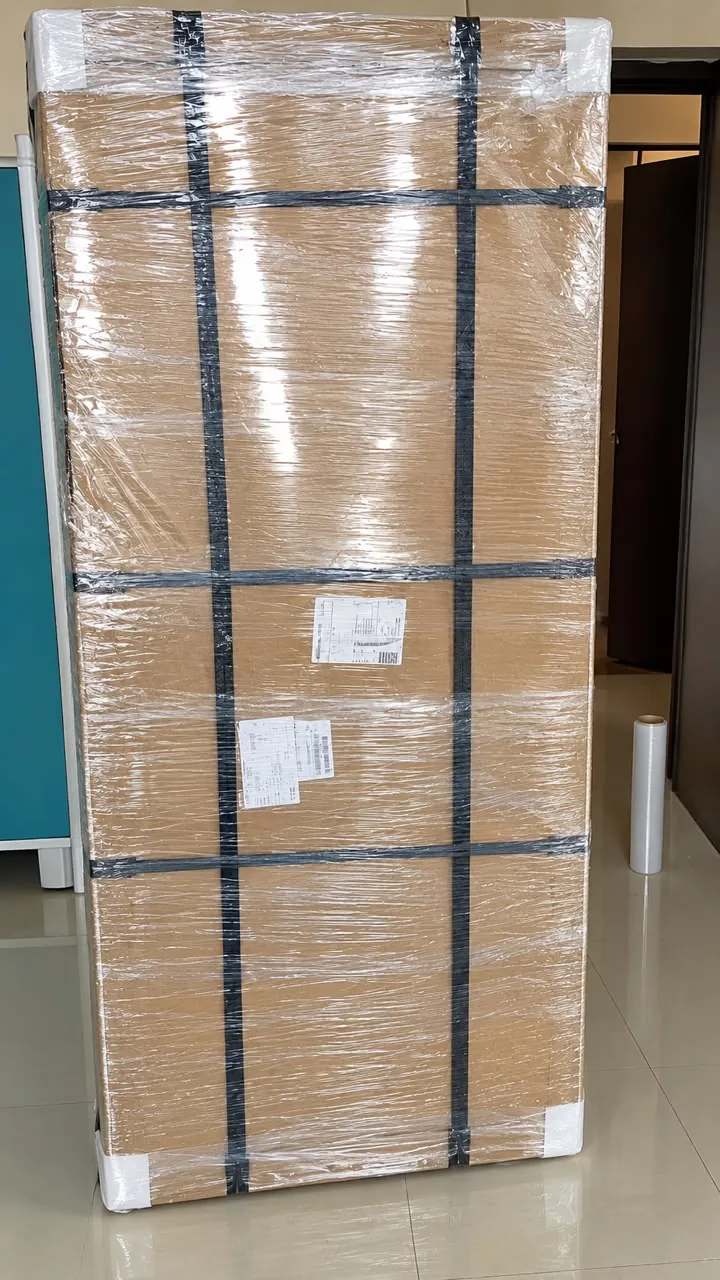
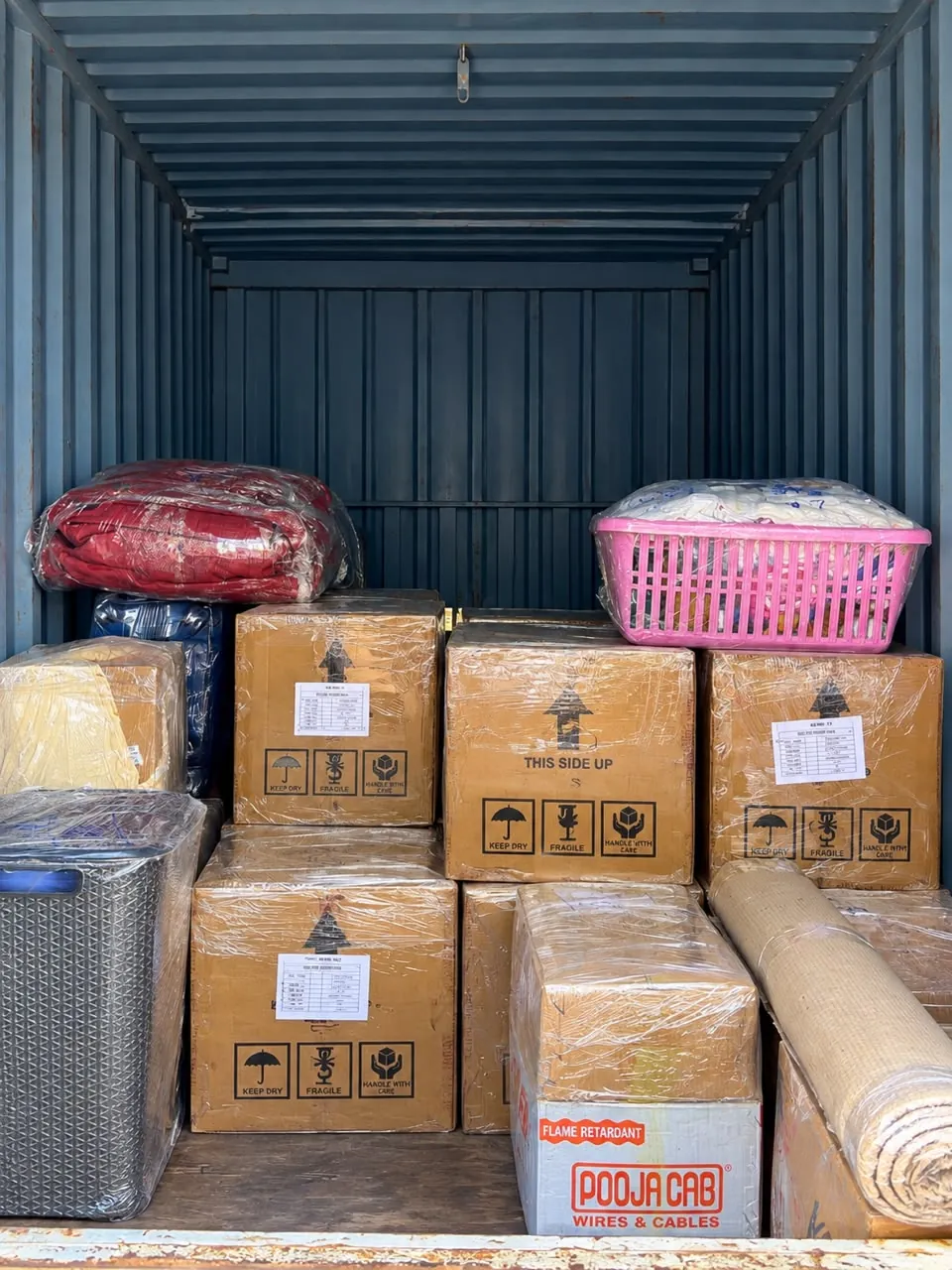
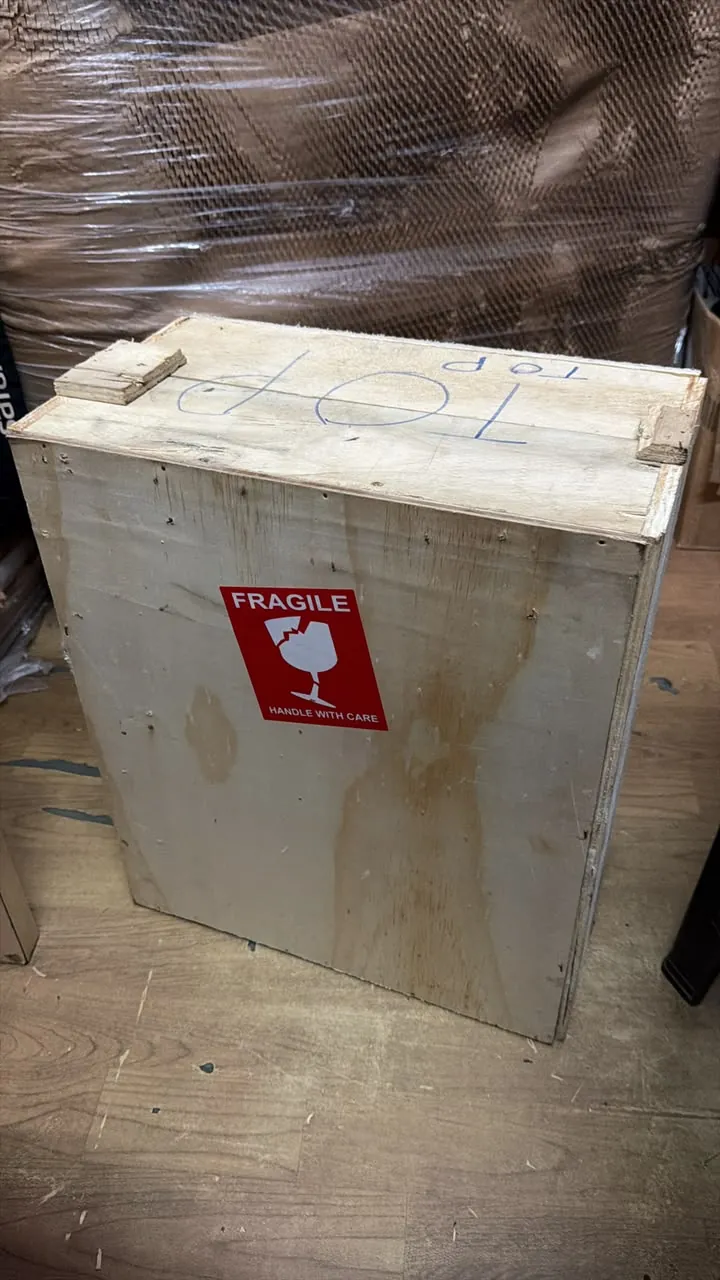
Two kinds of protection, explained simply
When people talk about "insurance" for a move, they usually mean one of two very different things. Knowing the difference before you decide helps you avoid a nasty surprise later.
Transit insurance
A policy from an insurance company that covers your goods while they travel. You pay a premium, which is based on the total value you declare. If there is loss or damage that the policy covers, the claim is settled by the insurer as per the policy terms, after checking the facts. It is optional, but we suggest it for intercity moves and for homes with costly items.
Carrier's limited liability
The basic responsibility a mover takes for goods in its care, without a separate insurance policy. It is usually limited to a fixed amount set in the mover's terms, and it does not pay the full value of your things. It is better than nothing, but it is not the same as real insurance. Our limit and terms are written in your agreement.
| Question | Transit insurance | Carrier's limited liability |
|---|---|---|
| Who gives the cover? | An insurance company, through a policy | The moving company itself |
| Does it cost extra? | Yes, a premium based on the declared value | Usually part of the move |
| How much can it pay? | Up to the declared value, as per policy terms | A limited, fixed amount |
| What decides a claim? | The policy wording and the surveyor's report | The terms in your agreement with the mover |
| What do you need to do? | Declare values honestly, keep your list and photos | Check the list at delivery and report damage quickly |
| Best for | Intercity moves, costly items, peace of mind | Small local moves with low-value goods |
This table is a general guide, not a promise of any payout. The exact cover always comes from the policy document and your written agreement. Your move manager will walk you through it before you decide, and you can ask to see the terms in writing before you pay anything.
When we suggest taking transit insurance
There is no single right answer for everyone. These are the situations where we usually tell customers that cover is worth thinking about seriously.
Long routes and many days on the road
A move from one state to another means more hours on highways, more loading points and more weather along the way. The longer the journey, the more sense cover makes.
New or costly appliances
If you bought a large TV, a new fridge or a premium sofa set recently, replacing it would hurt. Cover means one bad day on the road does not wipe out months of saving.
Monsoon moves
Closed trucks and waterproof covers keep most rain out. But floods, waterlogged roads and landslides on hill routes are outside anyone's control, so cover gives an extra layer of comfort.
When you cannot be there yourself
If a relative receives your goods in the new city, or your things go into storage for a while before delivery, a written policy and a clear item list keep everyone on the same page.
Insurance is the seatbelt. Careful packing is the good driving.
You want both. You hope to never need the first one.
What is usually covered, and what usually is not
Every transit policy is different, so read this as a general picture only. The policy you buy decides what is covered, how much is paid and what is left out. If anything here does not match your policy, the policy is right.
Usually covered
- Damage caused by a road accident, collision or the truck overturning
- Loss or damage from fire during the journey
- Theft of the goods while in transit, as defined in the policy
- Damage from natural events like floods or landslides on the route
- Breakage while loading and unloading, if your policy includes it
Usually not covered
- Cash, jewellery, gold, important papers and data on devices
- Normal wear and tear, or damage that was already there before the move
- An electrical or mechanical fault not caused by an accident in transit
- Boxes packed by the owner, where the packing cannot be checked
- Food, plants, and items not listed on the inventory
A common example: a 10-year-old fridge stops cooling a week after the move. If the body is not dented and nothing points to an accident on the road, this is usually treated as an old-age fault and not transit damage. On the other hand, a cracked TV screen noted on the delivery receipt, with photos taken that day, is the kind of case a transit policy is built for.
How to declare the value of your things
For transit insurance, you tell us the value of the goods being moved. The premium is worked out from this value, and it is also the upper limit of what a claim can pay. So it needs to be honest and sensible.
Think of the fair value of each item today, not what you paid years ago. A sofa bought long ago is not worth its old price, and a new phone in its box is worth close to what you paid. Your move manager can help you go room by room so nothing is missed.
If you declare too low to save on the premium, a claim can only pay up to that low value, and some policies pay even less when goods are under-valued. If you declare too high, you pay more premium but a claim still pays only the real loss. The best value is the true one.
List costly items one by one: the TV, fridge, washing machine, AC, sofa set, dining table and anything antique or handmade. Keep bills or recent photos for them. A simple total like "household goods" makes claims slower and harder.
If something is damaged, here is what to do
We hope you never need this part. But if you do, staying calm and following these steps in order makes the process much smoother. Your move manager stays with you through each step.
The most important thing is time. Damage must be reported within 48 hours of delivery. A claim raised weeks later is much harder to prove.
-
1
Check before you sign
At delivery, look at furniture and appliances and check box numbers against your list. If anything is damaged or missing, write it on the delivery receipt before signing. "Received in good condition" is hard to undo later.
-
2
Take photos and keep the packing
Photograph the damaged item, the box it came in and the label. Do not throw away the carton or the broken pieces. The surveyor may want to see them.
-
3
Tell your move manager
Call or message within 48 hours, with the photos. Boxes you could not open on the day can be checked over the next few days, but report them inside the same window.
-
4
Fill the claim form
We help you fill it in. Usually it needs the policy copy, the signed item list, the delivery receipt with your notes, photos, and bills or repair estimates for the damaged items.
-
5
Survey and inspection
For many claims, the insurer sends a surveyor to see the damage and decide if it can be repaired or must be replaced. Keep the item as it is until then.
-
6
The insurer decides
The insurer reviews everything and decides the claim as per the policy. We follow up for you and keep you updated, but the final decision and amount rest with the insurer.
Small habits that save big worries
You do not need to be an expert to protect yourself. A few simple things, done before and on moving day, make a real difference if anything ever goes wrong.
Take photos before packing
Walk through your home with your phone a day before. Take clear photos of furniture, the TV, the fridge and anything costly, from a few sides. It takes ten minutes and shows the condition before the move.
Keep your own list
Our team makes a detailed item list, but keep a short list of your own costly items too. Compare it with ours before signing, and keep your signed copy safe.
Carry valuables with you
Cash, jewellery, important papers, medicines and your laptop should travel with you, not in the truck. These are usually not covered by transit policies, and they are hard to replace.
Be there at pickup and delivery
You, or someone you trust, should be present at both ends. If you cannot be there in the new city, ask a relative or friend to receive the goods and check the list.
Read before you sign
Read the quote, the item list and the policy summary. If something is unclear, ask. A good mover will never rush you into signing.
Keep every paper together
Put the quote, policy copy, item list and delivery receipt in one folder or one phone album. If you need them later, you will not have to search through boxes.
One more thing: tell us early about anything unusual. A glass-top dining table, an antique wooden chest, a fish tank or a heavy marble idol each need special packing, and some policies ask for such items to be listed by name. If we know on the first call, we bring the right crate and material, note the item clearly on the list, and help you declare it properly. Surprises on moving day are what lead to rushed packing, and rushed packing is where damage begins.
Questions about safety and insurance
Insurance can feel confusing. These answers cover what people ask us most. Your move manager is happy to explain anything else.
Read all questionsIs transit insurance compulsory?
No, it is your choice. We suggest it for intercity moves and for homes with costly items. For a small local move, many people decide they do not need it.
How much does insurance cost?
The premium depends on the value you declare and the route. Your quote shows it as a separate line, so you can see the cost before deciding. It is usually about 2% to 3% of the declared value.
My home insurance already exists. Do I still need this?
Home insurance often covers things inside your home, not on a truck between cities. Check your home policy or ask your insurer whether it covers goods in transit before deciding.
Can I insure only a few items?
Some policies allow cover for chosen items, others cover the whole load. Your move manager will tell you what is possible for your move.
Is my stuff covered while in storage?
Transit cover is for the journey. Storage usually needs separate cover. Ask before you book, and see our storage page.
What if I found damage after the team left?
Take photos straight away, keep the box and packing, and tell your move manager within 48 hours of delivery.
Will a claim always be paid in full?
Not always. The insurer decides as per the policy, which may include a deduction for the age of an item or a small amount you bear yourself. We help with the claim, but we cannot promise the result.
Are bike and car moves insured the same way?
Vehicles usually have their own transit cover and condition report. Read more on our bike and car transport pages.
A safe move starts with a clear plan.
Tell us about your move. We will send a written quote with insurance shown as a separate line, and explain it in plain words.